Exploring Barbara Hepworth’s Landscape Abstractions
Barbara Hepworth, a pioneering figure in modern sculpture, captures the essence of the natural landscape in her stunning abstract works. With an emphasis on organic shapes and forms, her sculptures resonate with both art enthusiasts and those simply looking to connect with nature. In exploring Hepworth’s landscape abstractions, we uncover how her unique approach continues to inspire and challenge our perceptions of art and the environment.
1. The Influence of Nature on Hepworth’s Work
Hepworth’s formative years in Cornwall, a region rich in natural beauty, profoundly influenced her artistic vision. The rugged cliffs, rolling hills, and expansive seascapes of her surroundings inspired her to translate the landscape into sculptural forms. Her works often reflect a deep connection to nature, showcasing not just the external beauty but also the emotional response it evokes. By experimenting with materials like stone and wood, Hepworth created pieces that resonate with the tactile qualities of the environment, reinforcing the idea that art can embody both nature’s beauty and its spirit.
2. Abstract Forms and Symbolism
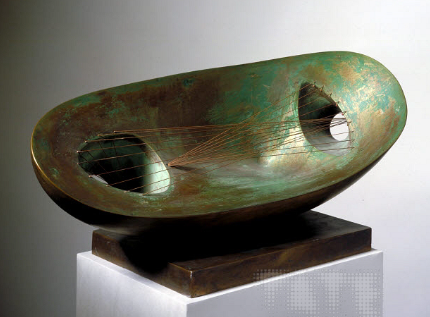
Hepworth’s landscape abstractions are characterized by their organic, flowing shapes, which often symbolize elements like water, air, and light. By breaking down natural forms into their fundamental geometries, she invites viewers to interpret her sculptures in a personal way. This abstraction encourages a dialogue between the artwork and the observer, fostering a deeper appreciation for both art and the landscapes they represent. For instance, her iconic piece, “Pelagos,” evokes the fluidity of ocean waves, illustrating how form can mimic nature’s movement while maintaining an abstract identity.
3. The Legacy of Barbara Hepworth’s Landscape Abstractions
Hepworth’s innovative approach has left a lasting impact on contemporary sculpture, inspiring new generations of artists to explore the relationship between nature and abstraction. Today, her works are celebrated not just in galleries but also in landscapes, as many are displayed outdoors, merging art with the environment. This integration invites viewers to engage with both Hepworth’s art and the surrounding landscape, encouraging a more profound reflection on the interconnectedness of art and nature. As we now seek sustainable and harmonious interactions with our environment, Hepworth’s vision serves as a powerful reminder of the beauty and significance of our natural world.
In conclusion, Barbara Hepworth’s landscape abstractions offer a compelling lens through which to appreciate both art and nature. Whether you’re an art lover or simply curious about the themes of the natural world, exploring her work can deepen your understanding of how art can reflect and enhance our connection to the landscape. Dive deeper into Hepworth’s legacy and discover how her visionary art continues to shape our perceptions today.