Gerhard Richter’s Abstract Sculptural Experiments: Exploring Depth Beyond the Canvas
Gerhard Richter, known primarily for his painting, has ventured into the realms of abstract sculpture, showcasing his innovative spirit and profound exploration of form and material. His sculptural experiments merge traditional artistic elements with modern concepts, inviting viewers to reconsider their relationship with art and perception. This topic is relevant as it not only highlights Richter’s versatility as an artist but also serves as an inspiration for those interested in the crossover between different art forms.
1. The Fusion of Painting and Sculpture
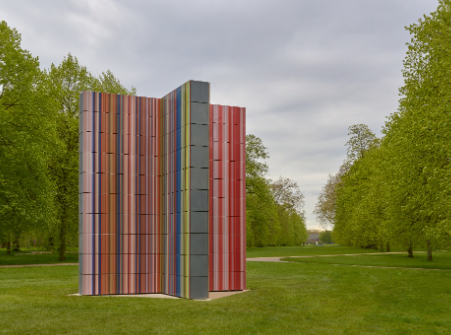
Richter’s abstract sculptures embody a unique blend of painting and three-dimensionality. His approach often involves layering, similar to his techniques in painting, where he builds texture and depth. The materials he chooses, from glass to metals, allow for a dialogue between light and structure, enhancing the visual experience. This combination prompts questions about the boundaries of art and encourages viewers to engage with his work on multiple sensory levels.
2. Material Innovation and Conceptual Depth
Richter is known for experimenting with various materials in his sculptural works. His use of unconventional mediums brings a fresh perspective to abstraction, challenging traditional notions of what sculptures can be. Whether through his use of reflective surfaces or unexpected textures, each piece encourages viewers to explore their surroundings and interact dynamically with the artwork. This innovation not only reshapes perceptions of sculpture but also invites artists to think outside the box in their own practices.
3. The Role of Light in Perception
One of the most fascinating aspects of Richter’s sculptures is how they interact with light. The reflective materials he employs can change appearance based on the viewer’s position and the ambient light, making each encounter unique. This dynamic aspect encourages a more active engagement, as viewers must move around the piece to fully appreciate its form and color. In this way, Richter emphasizes the importance of perception in art, reminding us that each interaction can lead to a new understanding or insight.
In conclusion, Gerhard Richter’s abstract sculptural experiments not only challenge the conventions of art but also inspire creativity and curiosity in all of us. By merging different mediums and playing with light, Richter invites art lovers and budding artists alike to explore the boundaries of their own perceptions. Whether you’re an artist searching for new ideas or an admirer of contemporary art, taking the time to discover Richter’s work could offer fresh insights and inspiration.