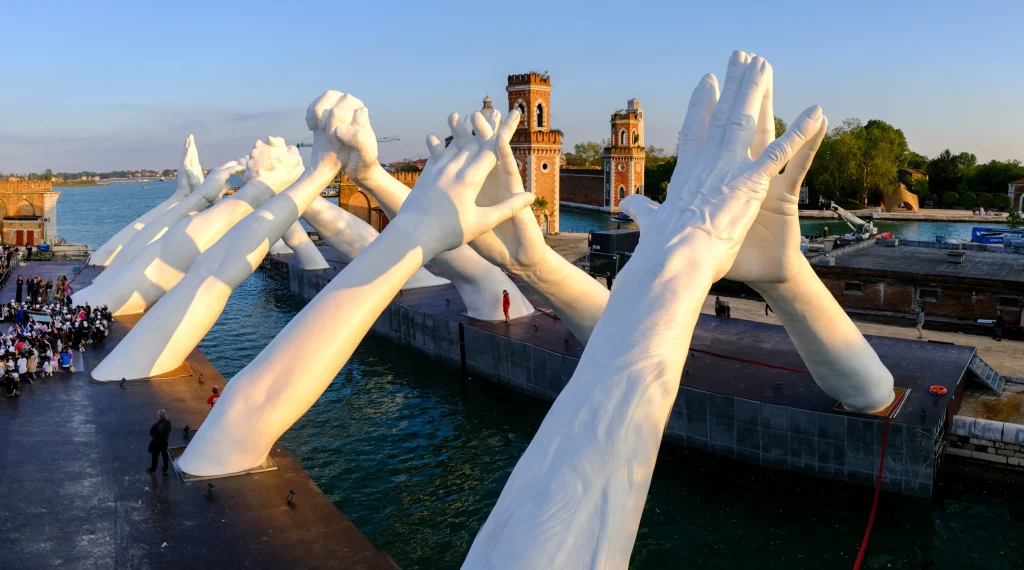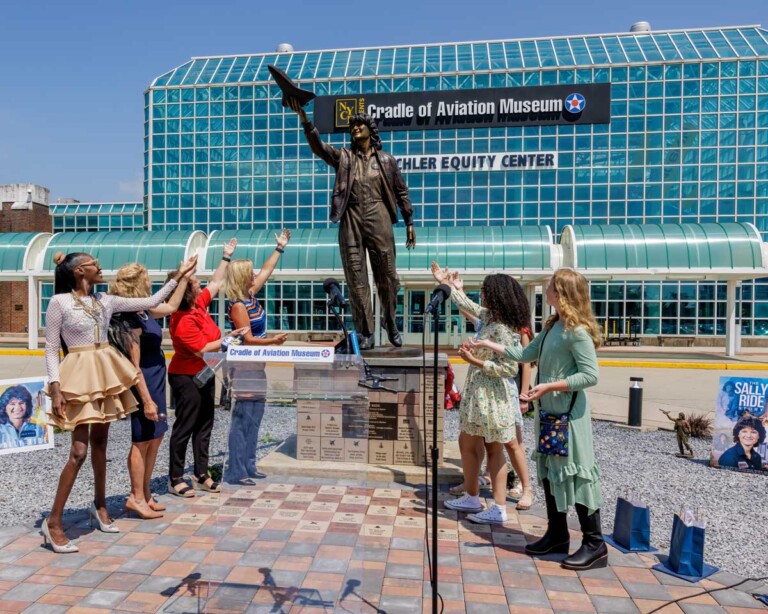
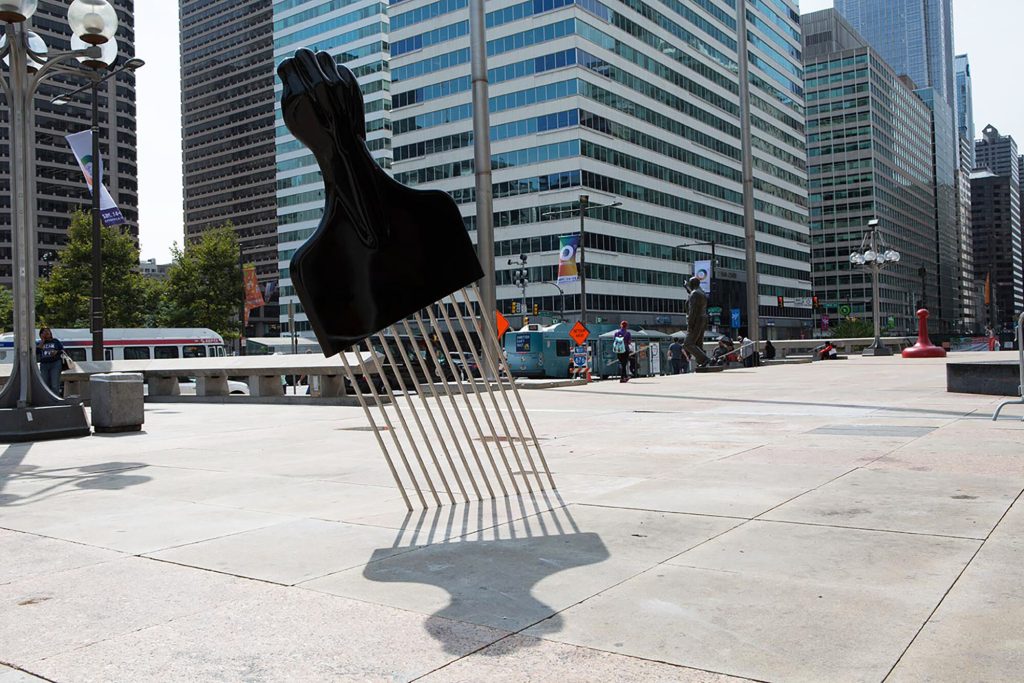
In urban landscapes around the world, public art memorials are integrating into people’s daily lives in diverse forms. From statues of historical figures and cultural symbols to art installations commemorating events, these works not only bear commemorative significance but also become important components of urban narratives and public space aesthetics. Among them, the Cristiano Ronaldo Statues, themed around Premier League football superstars, is one of the most representative examples of public art memorials in recent years.
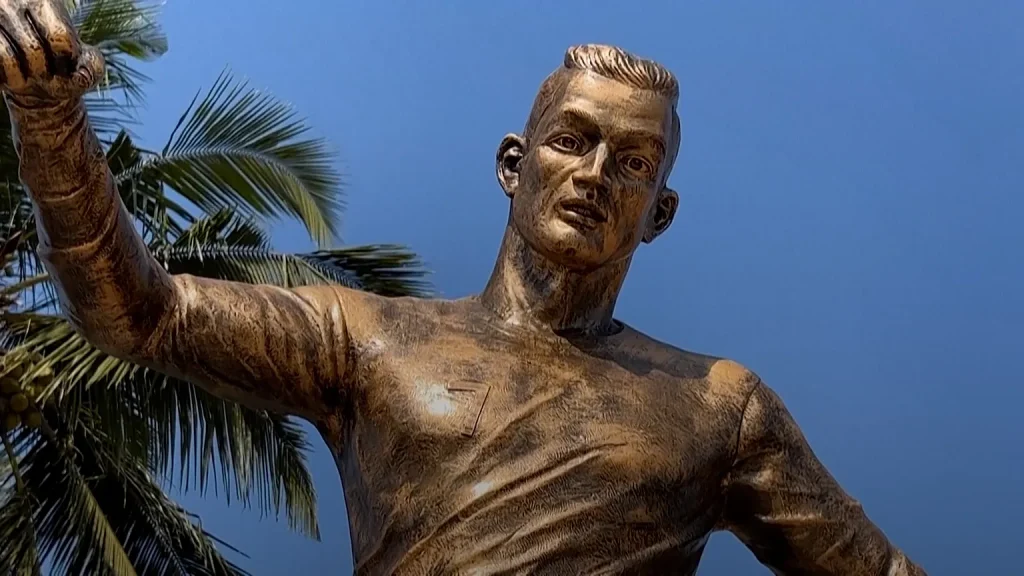
The emergence of Cristiano Ronaldo Statues transcends mere celebrity statues; they symbolize a city’s sporting spirit, cultural identity, and historical memory. Whether it’s the controversial yet highly publicized statue in front of Madeira Airport in Portugal, or subsequent more realistic and artistically expressive versions, they all strengthen the emotional connection between the public and the city through sculptural language. The core value of public art memorials lies in this—it visualizes memory, concretizes emotion, and allows people to interact with history or culture in space.
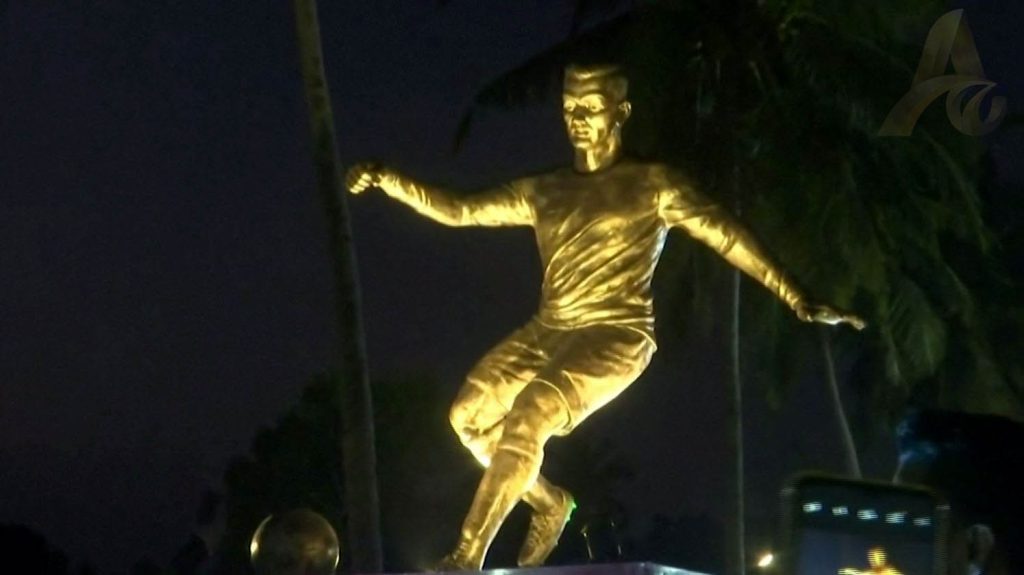
The creative trend of contemporary public art memorials is also gradually shifting from “heroic sculptures” to “emotional narratives” and “experiential expression.” Whether the theme is sports stars, historical figures, or commemorative events, public art is no longer merely a display, but a way of engaging in dialogue with urban culture. Through the combination of materials, forms, and spaces, artists imbue public spaces with deeper levels of participation and symbolism.
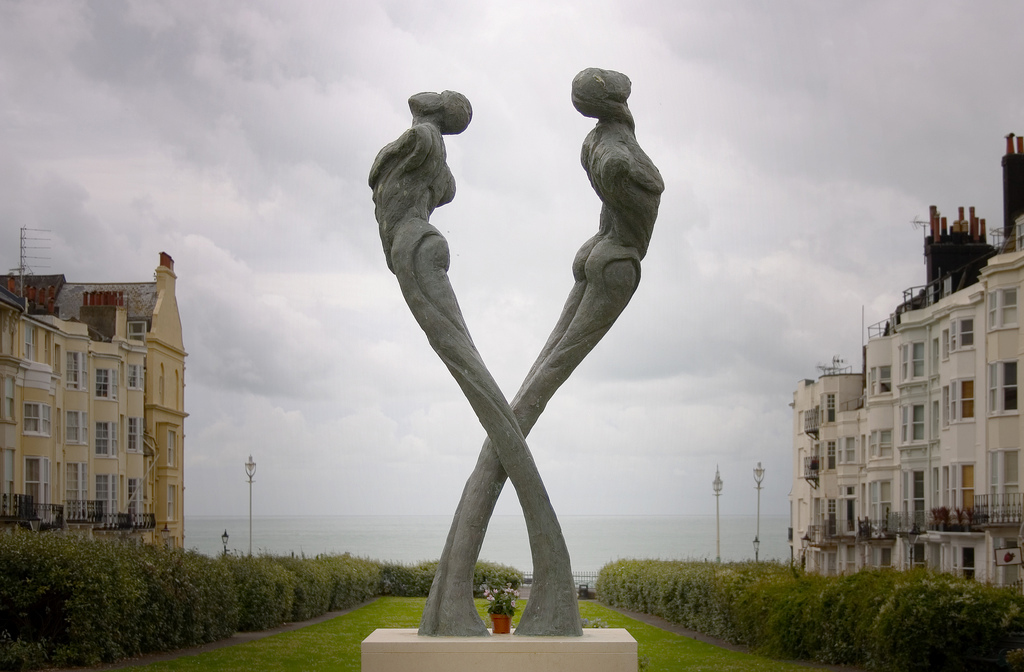
The cultural impact of Cristiano Ronaldo Statues reminds us that public art commemorations are not just “statues,” but extensions of urban identity and cultural markers that transcend time. Future public art will continue to tell stories of our time in cities around the world in a more open and inclusive manner.