Lee Ufan’s Abstract Minimal Philosophy
In a world often filled with chaos and noise, Lee Ufan’s minimalist approach to art and philosophy offers a refreshing perspective. His work emphasizes simplicity, presence, and the relationship between objects and their surroundings. Understanding his philosophy can deepen our appreciation for not only art but also the spaces we inhabit and our interactions with them.
1. The Essence of Minimalism
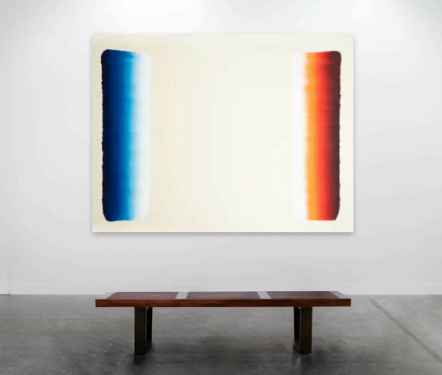
Lee Ufan, a prominent figure in the Mono-ha movement, believes that less is indeed more. His art strips away excess, focusing instead on the raw materials and the space around them. This minimalist approach encourages viewers to engage thoughtfully with art and the environment, prompting reflection on what is essential. Ufan’s pieces often utilize natural elements like stone and metal, reminding us to appreciate the beauty in simplicity and the significance of materiality in our lives.
2. The Artist’s Intent: Dialogue Over Display
A key element of Ufan’s philosophy is the notion of dialogue. He aims to create a conversation between the artwork, the viewer, and the surrounding environment. Instead of a one-sided presentation, his pieces invite contemplation and interaction. This idea encourages individuals to find personal meaning and emotional resonance in what they observe. By fostering such interactions, Ufan’s work transcends mere decoration, seeking to deepen our understanding of existence and our place within it.
3. The Power of Presence
Another core aspect of Ufan’s philosophy is the concept of presence. He believes that the act of seeing and experiencing art should be mindful and genuine, allowing for a deeper connection with the work. This emphasis on presence can be a powerful tool in our daily lives, encouraging us to slow down and truly observe our surroundings. Whether it’s a piece of art or a moment in nature, taking a moment to be present can lead to greater appreciation and understanding of the world around us.
In conclusion, exploring Lee Ufan’s abstract minimal philosophy opens up new avenues for personal reflection and appreciation of art and life. His emphasis on simplicity, dialogue, and presence reminds us to cherish the moments we often overlook. For those interested in delving deeper into this transformative philosophy, consider visiting local art galleries or reading more about Ufan’s work and the Mono-ha movement. Let this journey inspire a more mindful, engaged approach to the world around you!