Tony Cragg’s Dynamic Abstract Structures
Tony Cragg, a renowned British sculptor, captivates audiences with his dynamic abstract structures that challenge traditional perceptions of form and space. His work delves into the relationship between materiality and movement, encouraging us to reconsider how we interact with our surroundings. In an age where art increasingly intersects with technology and philosophy, understanding Cragg’s approach offers valuable insights into contemporary artistic practices.
1. The Nature of Dynamic Abstraction
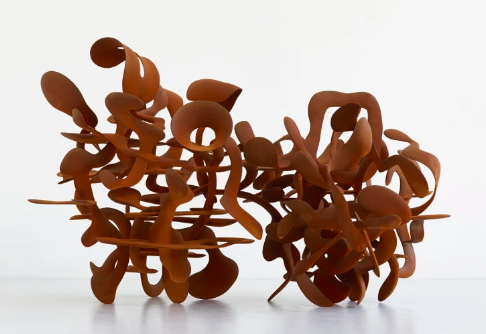
Cragg’s dynamic abstract structures are characterized by fluid forms and intricate designs that evoke a sense of movement. Often crafted from materials such as glass, wood, and metal, these sculptures transcend static representation, enabling a dialogue between the viewer and the work itself. The contours and surfaces of his pieces manipulate light and shadow, creating an ever-changing visual experience. This interplay prompts us to explore how our perspectives can shift, reinforcing the idea that art is not merely an object but a living experience.
2. Relationships Between Form and Space
One of the most striking elements of Cragg’s work is the way he utilizes space around his sculptures. His installations often play with the viewer’s perception, where the surrounding environment becomes a critical component of the artwork. By positioning his structures in various settings, Cragg invites us to engage not just with the artwork but also with the space it occupies. This interaction reflects the complexities of our relationship with the world around us, urging us to recognize the interconnectedness of all things.
3. The Emotional and Intellectual Engagement
Cragg’s sculptures are more than just visual wonders; they elicit emotional and intellectual responses. Each piece has a unique ability to provoke thought about nature, human existence, and the passage of time. For many viewers, engaging with Cragg’s work can spark feelings of nostalgia or even curiosity, as the artwork encourages reflection on our personal journeys. In a society inundated with digital imagery and fast-paced consumption, Cragg’s art serves as a gentle reminder to pause and consider the richness of physical experiences.
In conclusion, Tony Cragg’s dynamic abstract structures invite us to explore the intricacies of form, space, and emotion in ways that resonate deeply with contemporary life. They challenge us to cultivate a more mindful interaction with art and the world around us. If you’re intrigued by the profound implications of Cragg’s work, consider visiting a gallery or museum featuring his sculptures, or explore more about his artistic philosophy online. Embrace the journey of discovery and let the art inspire you!