François Morellet’s Geometric Abstract Structures
François Morellet was a pioneering French artist known for his innovative contributions to geometric abstraction. His works challenge the viewer’s perception of space, color, and form, making his art not just visually striking but intellectually engaging. Exploring Morellet’s geometric abstract structures is essential for anyone interested in modern art, as it provides insight into the evolution of abstract expressionism.
1. The Foundations of Geometric Abstraction
Geometric abstraction emerged in the early 20th century as a response to the chaotic emotions of previous art movements. Artists began to focus on shape, color, and form instead of representing reality. François Morellet took this concept further by incorporating mathematical structures and patterns into his work. He often emphasized simplicity, using clean lines and basic shapes to create complex visual dialogues. This intentional stripping away of excess can enhance viewers’ understanding of the underlying principles of art and design.
2. The Role of Light and Space
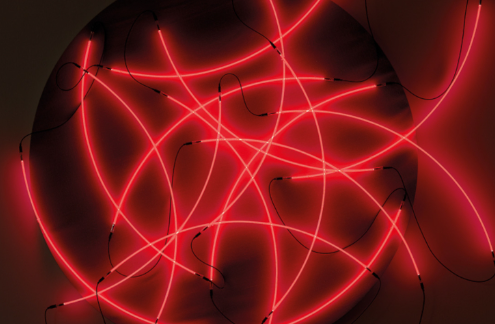
Morellet’s work is characterized by a dynamic interplay between light and the viewer’s experience of space. He often used neon lights and transparent materials to construct his pieces, challenging the notion of stability in sculpture. By manipulating light and shadows, Morellet created works that transformed in response to their surroundings. This raises intriguing questions about perception and the role of the environment in art. Visitors to his exhibitions often find that the spatial arrangements change based on their position, creating a personal connection with the artwork.
3. Morellet’s Lasting Impact
Morellet’s unique approach to geometric abstraction has left a lasting imprint on contemporary art. He influenced generations of artists who seek to explore the boundaries of form and structure. His ability to blend mathematics with artistic expression invites viewers to rethink how they engage with art. By fostering a dialogue between science and creativity, Morellet’s work encourages a more profound understanding of both disciplines. This intersection opens new avenues for artistic exploration, inspiring today’s artists and art enthusiasts to experiment with their own creative processes.
In conclusion, François Morellet’s geometric abstract structures offer a fascinating glimpse into the interplay between form, light, and perception. Whether you’re an art lover or someone curious about modern artistic movements, delving deeper into Morellet’s work can enrich your appreciation of contemporary art. Explore galleries, read more about his techniques, and embrace the beauty of geometric abstraction—let it inspire your own creative journey!